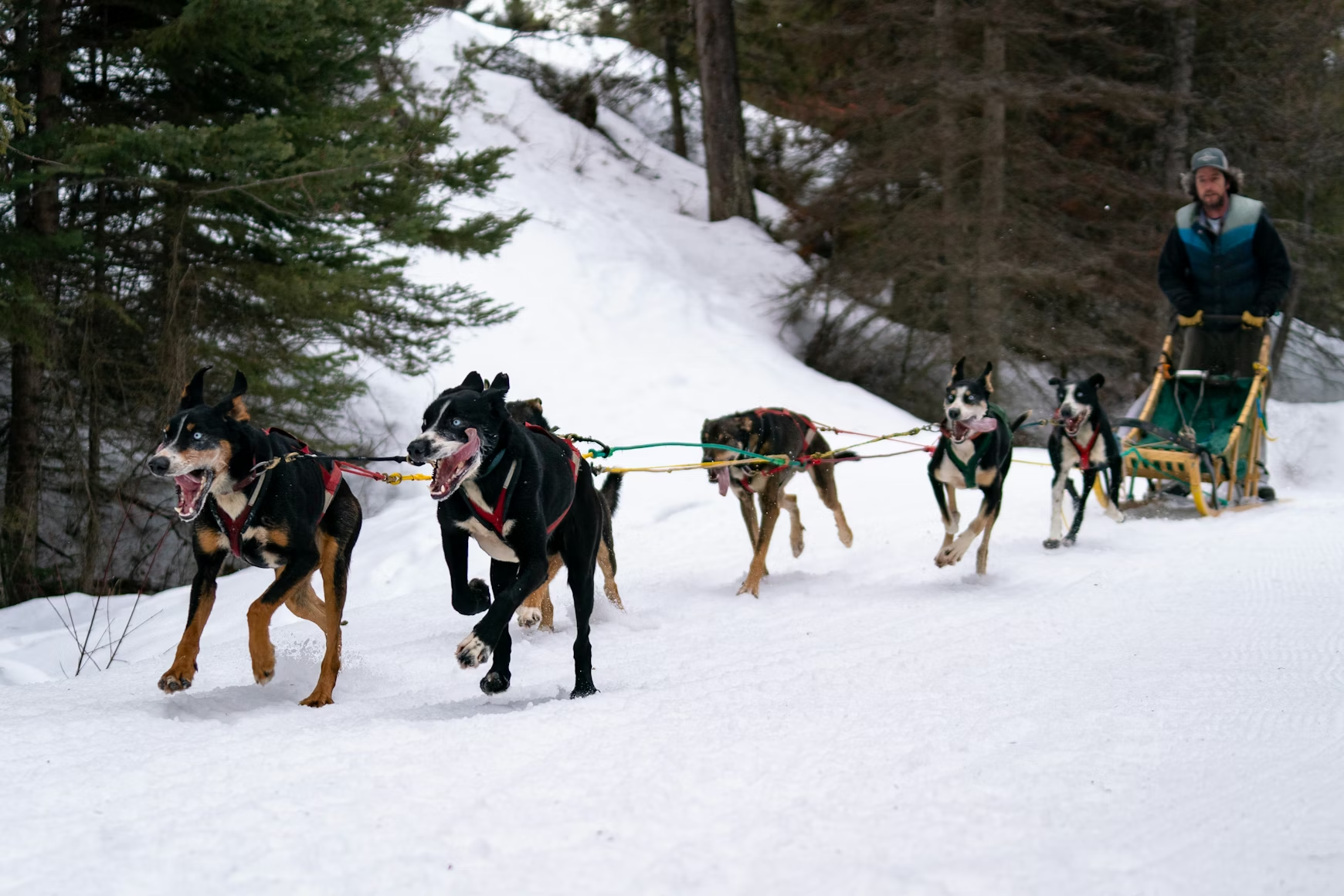
Dog Sledding
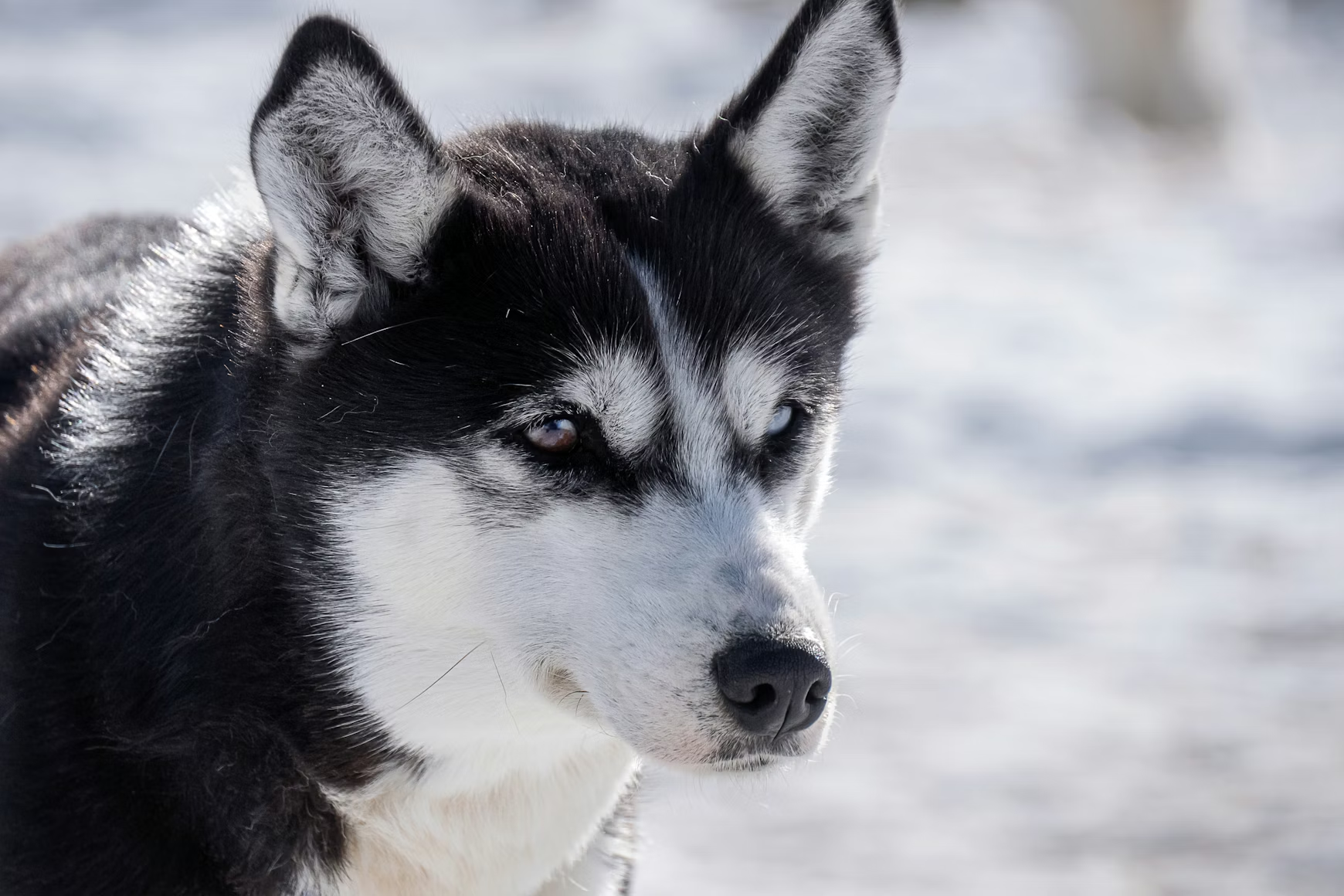

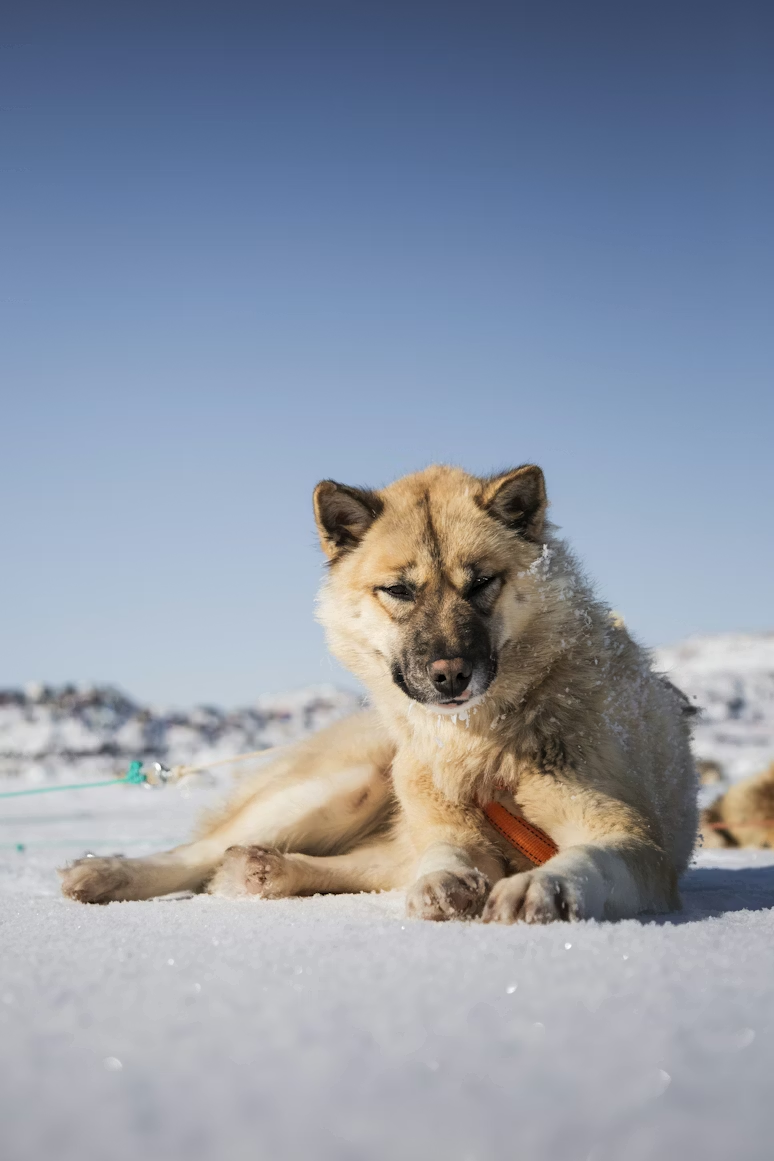
Dog sledding is a thrilling and historic winter activity, but it comes with real dangers that mushers and their dogs must constantly navigate. Traveling across frozen landscapes may look peaceful from a distance, yet the environment is unpredictable, and even experienced teams must stay alert. Understanding these risks is essential for staying safe while practicing this demanding sport. One of the biggest dangers in dog sledding is extreme weather. Arctic and subarctic regions can reach dangerously low temperatures, often accompanied by intense winds and sudden snowstorms. These conditions can cause frostbite, hypothermia, and reduced visibility. Whiteouts can make it nearly impossible to see the trail, increasing the risk of becoming lost or striking hidden obstacles beneath the snow. Unstable terrain poses another major challenge. Trails frequently cross frozen lakes and rivers where the ice may not be thick enough to support a sled team. Falling through thin ice can be life-threatening for both mushers and dogs. Additionally, deep snowdrifts, hidden holes, and uneven ground can cause sleds to tip over or injure dogs that step into unsafe areas. Another danger involves dog injury and fatigue. Even though sled dogs are trained athletes, they can experience paw injuries, muscle strain, dehydration, or exhaustion during long runs. Mushers must continuously monitor their team’s health, adjusting the pace and providing rest when needed. Failure to do so can place the entire group in danger, especially in remote locations. Equipment failure also presents a serious risk. Broken ropes, damaged harnesses, or a cracked sled can leave a musher stranded far from help. Because of this, carrying repair tools and knowing how to fix gear on the trail is a critical part of safe sledding. Wildlife encounters add another layer of danger. Animals such as moose or wolves may approach or cross the trail. These interactions can frighten the dogs or result in aggressive confrontations, potentially harming both the animals and the sled team. Finally, musher error remains one of the most common causes of accidents. Poor judgment, inexperience, or pushing the team too hard can lead to avoidable emergencies. Safe dog sledding requires constant awareness, respect for the environment, and strong communication between the musher and the dogs. Despite these challenges, dog sledding can be practiced safely with proper training, preparation, and care, allowing teams to experience the adventure responsibly.
When preparing for a dog sledding adventure, choosing the right clothing is essential for staying warm, safe, and comfortable. Dog sledding typically takes place in cold, snowy regions where temperatures can shift suddenly, winds can become harsh, and weather conditions may change without warning. Proper clothing not only keeps you comfortable, but also protects you from serious risks such as frostbite and hypothermia. Dressing correctly can make the difference between a memorable, enjoyable trip and a dangerous experience. The most important strategy is to use a layering system, which allows you to adjust to changing temperatures. The first layer, known as the base layer, should be made of moisture-wicking materials like merino wool or synthetic fabrics. This layer keeps sweat off your skin, preventing moisture from cooling your body. Cotton should always be avoided because it absorbs water and holds onto cold. The second layer is the insulating layer, which provides warmth by trapping heat close to your body. Fleece jackets, wool sweaters, or lightweight down layers work perfectly here. This layer should feel warm but not restrictive, giving you full mobility while still protecting your core temperature. Your third layer is the outer layer, designed to shield you from wind, snow, and freezing temperatures. A windproof and waterproof winter jacket is essential, ideally one with a hood and room for multiple layers underneath. Insulated snow pants or waterproof shell pants protect your legs from cold air and moisture. These layers help keep you dry, which is crucial for maintaining warmth. Accessories play a major role in comfort and safety. A warm hat or beanie that covers your ears is extremely important, as a significant amount of heat escapes through your head. Insulated gloves or mittens are necessary to protect your hands; mittens are often warmer than gloves, and adding a thin liner glove can provide extra protection and flexibility. Footwear is another vital component. Choose thick wool socks along with insulated, waterproof winter boots that offer good traction. Your boots should be roomy enough to allow circulation, since tight boots can make your feet cold much faster. A neck gaiter, balaclava, or face mask shields your face from windburn and icy air. Because conditions can change rapidly, it’s smart to pack extra layers, additional gloves, dry socks, and hand warmers. Dressing properly for dog sledding ensures that you stay warm, safe, and fully able to enjoy the thrilling experience of gliding across snow-covered landscapes behind a powerful team of sled dogs.
Dog sledding is a thrilling and historic winter activity, but it comes with real dangers that mushers and their dogs must constantly navigate. Traveling across frozen landscapes may look peaceful from a distance, yet the environment is unpredictable, and even experienced teams must stay alert. Understanding these risks is essential for staying safe while practicing this demanding sport. One of the biggest dangers in dog sledding is extreme weather. Arctic and subarctic regions can reach dangerously low temperatures, often accompanied by intense winds and sudden snowstorms. These conditions can cause frostbite, hypothermia, and reduced visibility. Whiteouts can make it nearly impossible to see the trail, increasing the risk of becoming lost or striking hidden obstacles beneath the snow. Unstable terrain poses another major challenge. Trails frequently cross frozen lakes and rivers where the ice may not be thick enough to support a sled team. Falling through thin ice can be life-threatening for both mushers and dogs. Additionally, deep snowdrifts, hidden holes, and uneven ground can cause sleds to tip over or injure dogs that step into unsafe areas. Another danger involves dog injury and fatigue. Even though sled dogs are trained athletes, they can experience paw injuries, muscle strain, dehydration, or exhaustion during long runs. Mushers must continuously monitor their team’s health, adjusting the pace and providing rest when needed. Failure to do so can place the entire group in danger, especially in remote locations. Equipment failure also presents a serious risk. Broken ropes, damaged harnesses, or a cracked sled can leave a musher stranded far from help. Because of this, carrying repair tools and knowing how to fix gear on the trail is a critical part of safe sledding. Wildlife encounters add another layer of danger. Animals such as moose or wolves may approach or cross the trail. These interactions can frighten the dogs or result in aggressive confrontations, potentially harming both the animals and the sled team. Finally, musher error remains one of the most common causes of accidents. Poor judgment, inexperience, or pushing the team too hard can lead to avoidable emergencies. Safe dog sledding requires constant awareness, respect for the environment, and strong communication between the musher and the dogs. Despite these challenges, dog sledding can be practiced safely with proper training, preparation, and care, allowing teams to experience the adventure responsibly.