Ice Climbing The Sport
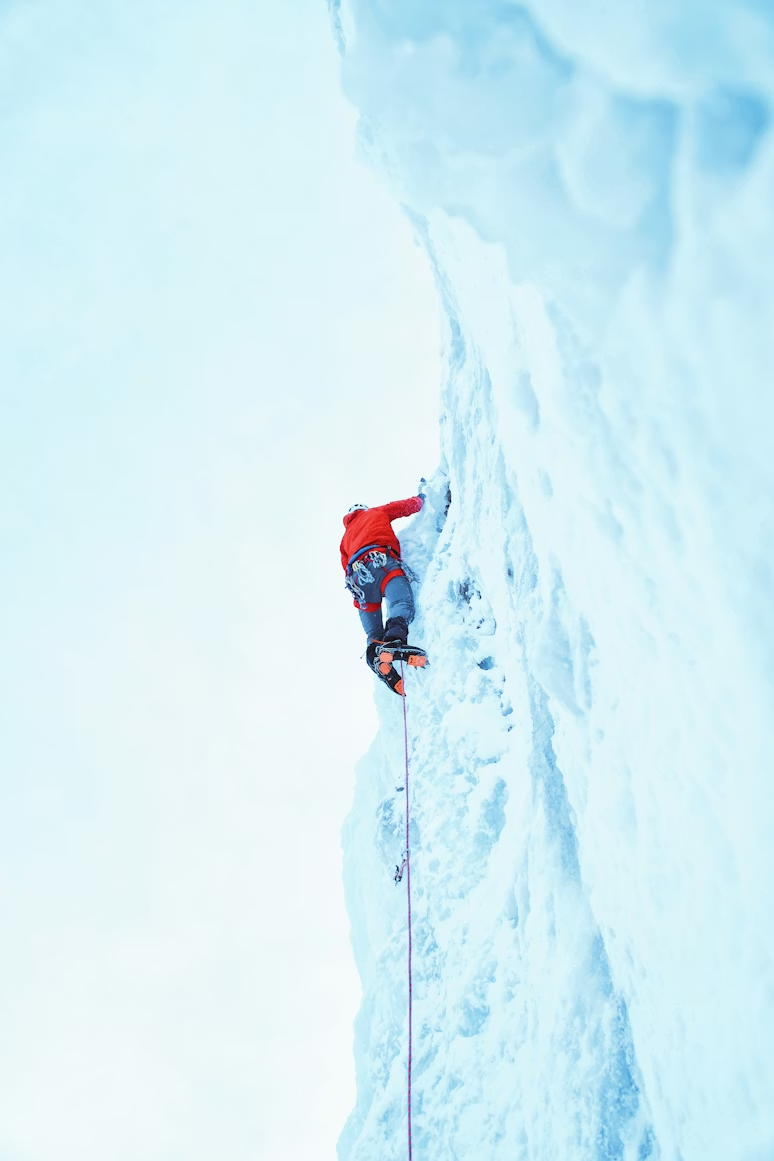
Ice climbing is one of the most thrilling and demanding winter sports, combining physical strength, mental focus, and a deep respect for nature. At its core, ice climbing is the art of ascending frozen surfaces—whether towering waterfalls turned to ice, massive glaciers, or rugged mountain faces coated in hard-packed snow and ice. It challenges athletes to push beyond comfort, adapt quickly, and work with constantly changing terrain. One of the most fascinating aspects of ice climbing is that the environment is never the same twice. Ice is a living surface—it shifts, melts, refreezes, and reshapes itself every day depending on the temperature, sunlight, and weather conditions. Because of this, climbers have to analyze the ice carefully before each ascent. They look for stability, thickness, and structure, knowing that even small variations can impact safety. This ever-changing element transforms every climb into a unique experience, even on familiar routes. Equipment is essential for both performance and safety. Ice axes, crampons, helmets, and ropes are all standard gear, and each tool has a specific purpose. Crampons allow climbers to grip the ice with sharp metal spikes attached to their boots, while ice axes provide the leverage needed to pull upward. The precision of placing these tools—swinging an axe at the right angle or kicking in crampons with the right amount of force—is something climbers refine over years of practice. It’s a blend of technique and rhythm that feels almost like a dance once mastered. Ice climbing isn’t just physically demanding; it also requires strong mental discipline. Climbers face intense cold, exposure to heights, and the need to stay calm while making slow, deliberate moves. Confidence, patience, and clear decision-making are crucial. A climber who rushes or loses focus can quickly find themselves in a dangerous situation. That’s why training often includes not just strength and endurance, but also mental preparation and risk assessment. Despite the challenges, ice climbing is an incredibly rewarding sport. Reaching the top of a frozen route offers a sense of accomplishment that’s hard to match. Climbers often describe a powerful connection to nature—the quiet of winter landscapes, the sparkle of ice in the sunlight, and the unique beauty of frozen formations. It’s an adventure that demands respect and humility, but in return, it offers unforgettable moments and the chance to test your limits in some of the world’s most breathtaking winter environments.
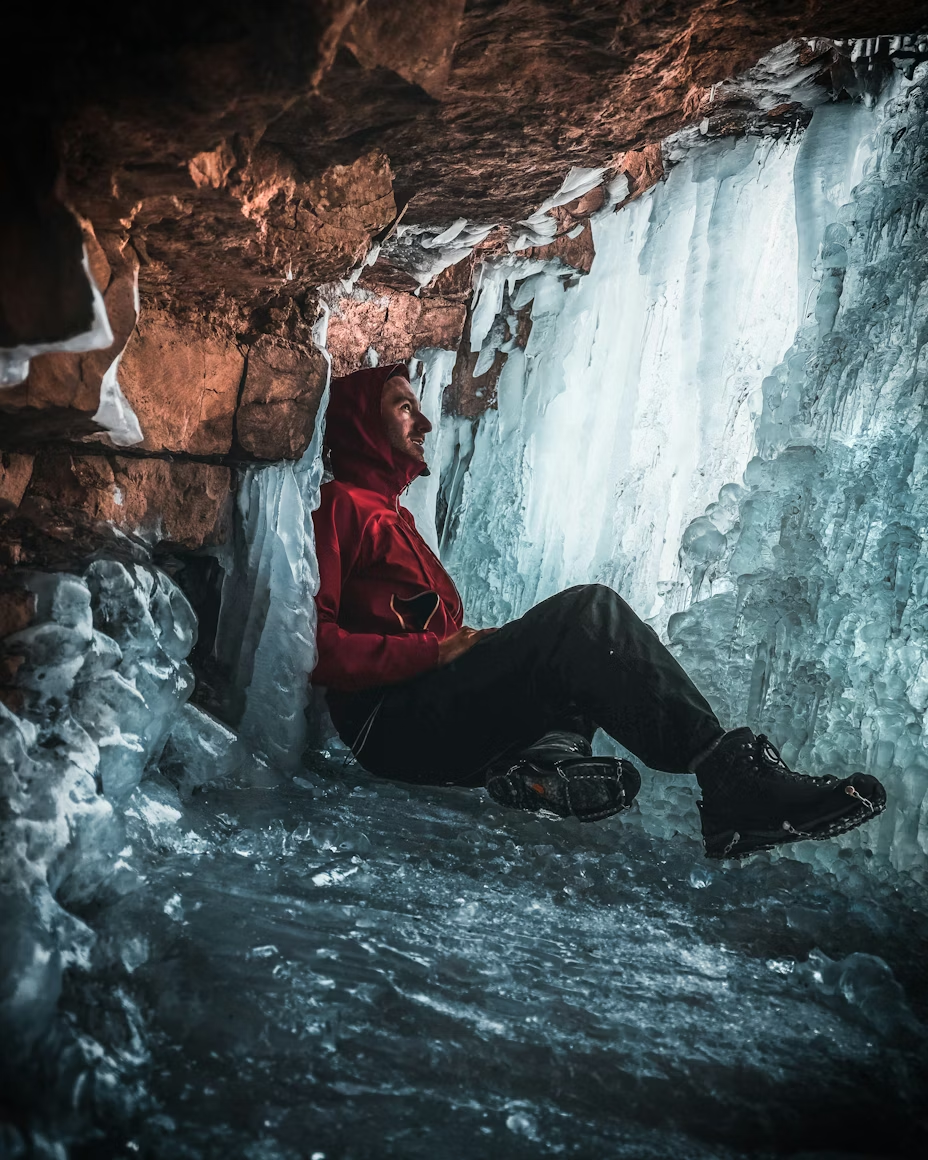
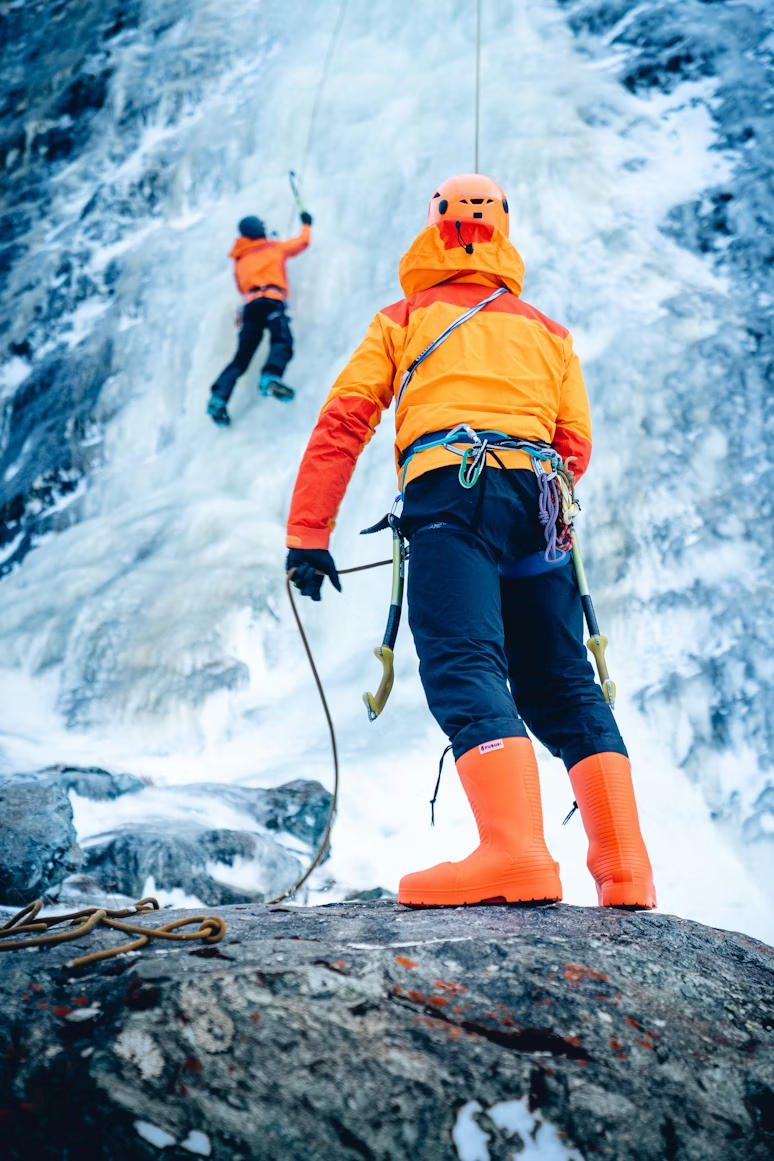
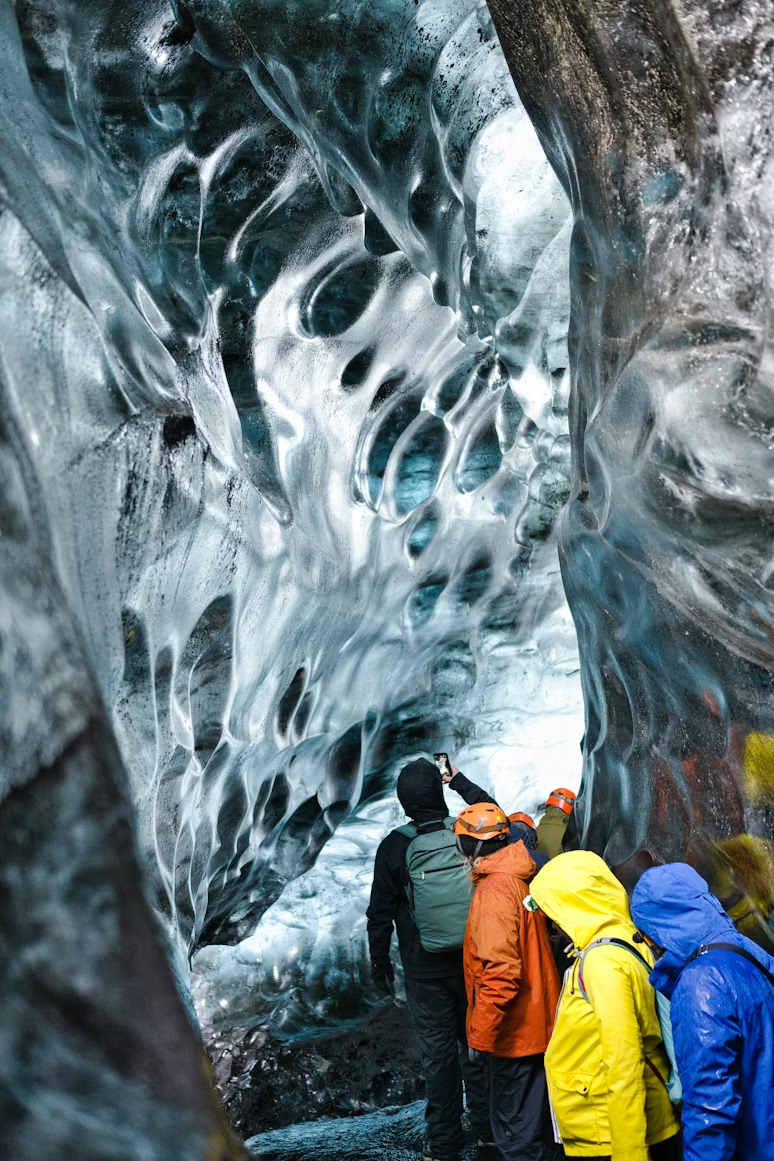
Ice climbing is a winter sport filled with fascinating and surprising facts that make it stand out from other cold-weather activities. One fun fact is that ice climbing originally grew out of mountaineering, but as explorers discovered frozen waterfalls and icy cliffs, it quickly evolved into its own specialized sport. Today, competitions are held around the world, and many events even use artificial ice walls to let athletes show off their skills. Another interesting detail is that ice is never consistent—it can change texture, thickness, and strength daily. Climbers often describe types of ice with nicknames, like “hero ice,” which is soft enough for tools to sink into perfectly. On the opposite end, “bulletproof ice” is so hard that axes bounce off it. Ice climbing also happens in stunning environments, including blue glaciers, towering frozen waterfalls, and icy mountain faces. Modern gear, like curved ice axes and crampons, is designed to handle these extreme conditions, turning each climb into a mix of science, skill, and adventure.
Ice climbing is a thrilling winter sport, but it comes with serious dangers that climbers must always respect. One major risk is the unpredictable nature of ice. Unlike rock, ice can change quickly with temperature and weather, causing it to crack, weaken, or break without warning. This can make tools slip or send chunks of ice falling onto climbers below. The extreme cold also creates significant hazards. Frostbite, numbness, and hypothermia can set in faster than many people expect. When hands or feet start to lose feeling, it becomes harder to place an ice axe correctly or kick crampons securely into the ice. Sudden weather changes—like strong winds or snowfall—can also reduce visibility and make climbing conditions more dangerous. Equipment challenges add to the risk. Crampons may slide on hard ice, ropes can stiffen in freezing temperatures, and ice axes might not penetrate certain surfaces. Because of these dangers, ice climbing requires proper training, careful decisions, and constant awareness.
Ice climbing can take you to some of the most breathtaking winter destinations in the world. One of the most famous places is Ouray, Colorado, home to the Ouray Ice Park, where hundreds of routes are formed each winter on man-made and natural ice. It’s considered one of the easiest places for beginners to learn safely. Another top spot is Banff National Park in Canada, known for its towering frozen waterfalls like Johnston Canyon and Lake Louise, surrounded by stunning mountain scenery. If you’re looking for international adventure, Iceland offers incredible glacier ice climbing, where the bright blue ice creates an otherworldly experience. Europe’s Alps also provide classic climbing areas, especially in Chamonix, France, and the Dolomites in Italy. For more remote challenges, Alaska’s frozen waterfalls and glaciers offer rugged, advanced climbs. No matter the location, ice climbing destinations combine beauty, adventure, and unique natural formations that draw climbers from around the world.