Ice Diving The Sport

Ice diving is one of the most extreme and fascinating winter activities, offering a rare look at the underwater world beneath a frozen surface. Divers enter through a single hole cut into the ice, then explore the silent, icy world below. Light filters through the frozen ceiling, creating beautiful blue and green patterns that make the experience feel almost otherworldly. The water is often incredibly clear, allowing divers to see details they might miss in warmer environments.
However, ice diving requires strict training and teamwork. Because there is only one exit, divers rely on safety lines and surface teams to guide them and keep communication steady. The freezing temperatures add to the challenge, requiring specialized gear and close monitoring to prevent cold-related problems. Despite the risks, ice diving attracts adventurous explorers who want to experience a peaceful, untouched underwater environment found in very few places on Earth.
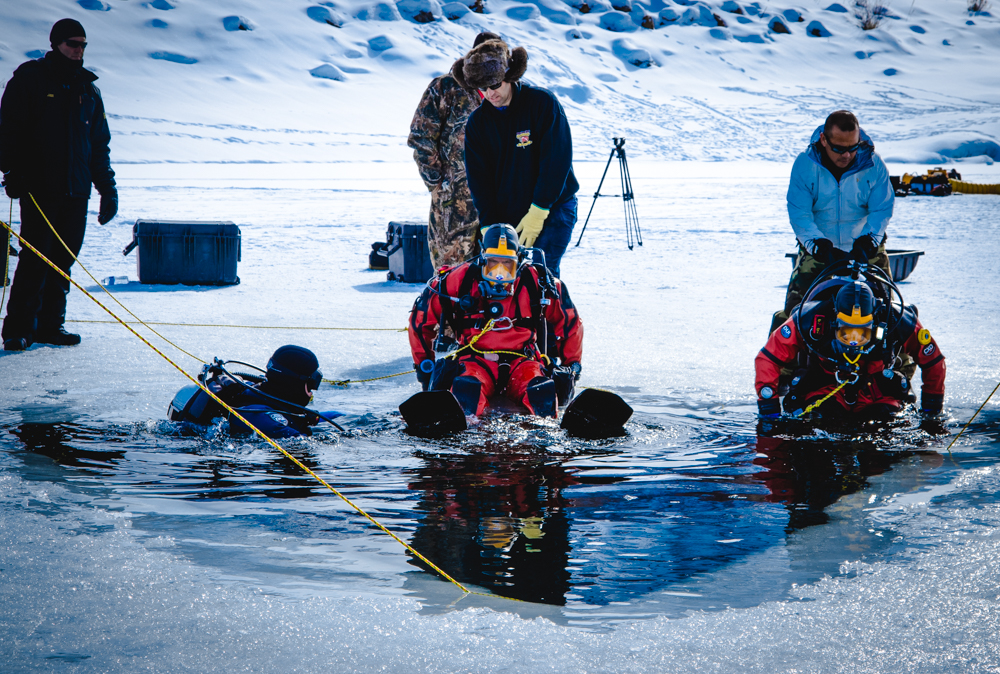
Ice diving is one of the most extreme, captivating, and technically demanding forms of underwater exploration. It takes divers into an environment few people even imagine, let alone experience firsthand. Beneath a frozen surface lies a world defined by quiet stillness, surreal light, and extraordinary clarity. For those who take on the challenge, ice diving offers a combination of adventure, discipline, teamwork, and deep appreciation for nature’s coldest and most mysterious places.
Unlike traditional open-water diving, ice diving involves entering the water through a single cut-out opening in the ice, usually shaped as a triangle or rectangle for safety and easy access. This hole becomes the diver’s only exit, making coordination with the surface team absolutely essential. Ropes are attached to the diver and managed by trained tenders above the ice. These surface support members guide the diver’s route, monitor safety, and serve as the diver’s lifeline. This reliance on teamwork makes ice diving unique—no one dives alone, and every role is equally important.
One of the biggest draws of ice diving is the stunning visual environment found beneath the frozen surface. Cold water dramatically limits algae growth and sediment movement, resulting in remarkably clear visibility. Many divers describe the scene as stepping into an underwater cathedral: wide-open spaces, shimmering reflections, and beams of filtered sunlight that create an ethereal glow. Light behaves differently under ice; it bends, scatters, and shifts in ways that create mesmerizing blues, greens, and silvers. Even simple bubbles, trapped under the ice sheet, skate across the underside like quicksilver, creating a beautiful and unusual sight.
The sense of calm is another unexpected feature of ice diving. Because the ice blocks much of the surface noise, the underwater world becomes almost completely silent. This quietness allows divers to focus deeply on their breathing, movements, and surroundings. Many describe it as meditative—a moment where time slows down, and the diver becomes fully immersed in the frozen environment.
However, ice diving is not an activity to attempt without thorough preparation and proper training. Divers must learn to use dry suits, heavy thermal layers, and specialized regulators designed to resist freezing. Equipment failure in such cold conditions can be dangerous, so redundancy and careful checks are essential. Divers also train to stay calm under pressure, communicate clearly with rope signals, and maintain constant awareness of their location relative to the entry hole. Mental discipline is just as important as physical skill.
The environment offers more than just scenery. Under the ice, divers can encounter unique natural phenomena such as frozen methane bubbles, hanging ice formations, and fish species that thrive in cold water. In polar regions, the wildlife becomes even more impressive, sometimes featuring seals, ice-adapted invertebrates, or other creatures that move gracefully beneath the frozen roof overhead. For scientific researchers, ice diving provides a crucial opportunity to study fragile ecosystems that are otherwise inaccessible.
Ice diving also invites a unique type of personal growth. The extreme conditions require trust—not only in the team, but also in oneself. Completing a successful ice dive builds confidence and encourages a deeper appreciation for the power and unpredictability of nature. Many divers say that the experience changes how they view both the underwater world and their own abilities. The moment they return to the surface, climbing out of the icy water and feeling the crisp winter air hit their face, they carry with them a lasting sense of accomplishment.
In the end, ice diving is far more than a cold-water adventure. It is a journey into a hidden world shaped by silence, clarity, and frozen beauty. It challenges the mind and body while offering unforgettable views and a profound sense of connection to the natural world. For those willing to brave the cold and embrace the challenge, ice diving becomes an experience unlike anything else—one that lingers long after the dive is over.
Ice diving is a fascinating and visually beautiful activity, but it also comes with serious dangers that require extensive preparation and strict safety procedures. One of the greatest risks is the extreme cold. Water beneath the ice is often just above freezing, and even with a dry suit and thermal layers, a diver’s body can lose heat quickly. Hypothermia affects judgment, slows reaction time, and can make it difficult to handle equipment. Cold temperatures can also cause regulators to freeze and free-flow, creating unexpected breathing challenges that must be managed calmly.
Another major danger is the limited access to the surface. In open water, a diver can ascend almost anywhere, but under ice, the surface is sealed except for one controlled opening. If a diver becomes disoriented or visibility drops due to stirred-up silt or changing light, it can be difficult to relocate the exit. This is why divers rely on a tether line connected to a trained surface team, who guide them and monitor safety. Losing that connection, or becoming confused underwater, can quickly turn into a life-threatening situation.
Entanglement also poses a significant risk. Lines, underwater debris, vegetation, or ice formations can snag on equipment, and the bulkiness of cold-water gear makes maneuvering more challenging. Because direct ascent is not possible, even a small snag requires quick and calm problem-solving.
Psychological stress is another danger. The overhead ice ceiling, muffled silence, and lack of escape routes can cause anxiety or claustrophobia, especially for those new to the environment. Panic underwater is extremely dangerous, and ice divers must be mentally prepared and well-trained.
Although ice diving offers an incredible experience, it demands respect. Proper training, reliable equipment, and strong teamwork are essential for staying safe in such an extreme environment.
